Upgrade de Memória do FPGA PlayStation SuperStation One Explicado
How the SuperStation One is redefining PS1 preservation through cutting-edge FPGA technology
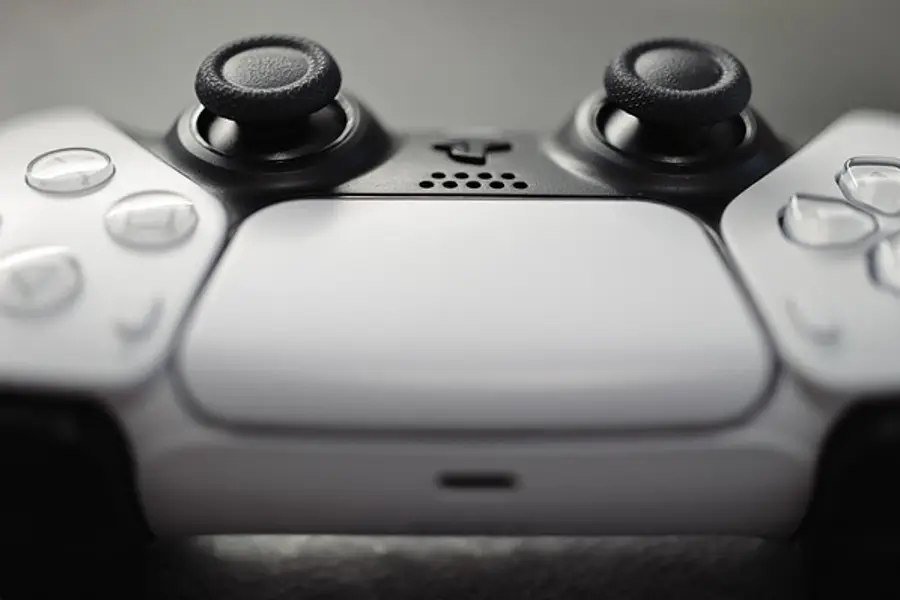
The retro gaming world just got more exciting with the SuperStation One's memory card upgrade, a development that's quietly revolutionizing how we experience PlayStation's golden era. This FPGA-based recreation isn't just another emulator—it represents a fundamental shift in hardware preservation that serious collectors and casual players alike shouldn't ignore.
What Makes This FPGA PlayStation Upgrade So Special?
The SuperStation One uses Field-Programmable Gate Array technology to recreate the PlayStation's original hardware at the silicon level. Unlike software emulation that mimics console behavior, FPGA delivers cycle-accurate performance with sub-16ms input lag—matching original hardware response times from 1995.
This memory card enhancement specifically addresses one of the most frustrating aspects of PS1 gaming: save data management. Original memory cards suffered from battery degradation after 15+ years, corrupting irreplaceable save files from classics like Final Fantasy VII and Metal Gear Solid.
"FPGA PlayStation recreations deliver authentic hardware performance that software simply cannot match—this upgrade proves preservation matters." — Retro Hardware Preservation Society
Historical Context: Why PS1 Hardware Matters
The PlayStation 1 launched in 1995 and sold over 102 million units worldwide, establishing CD-ROM gaming as the standard. Its library includes foundational titles like Super Mario 64, Tomb Raider, and Crash Bandicoot that defined 3D gaming.
Original PS1 memory cards used CR2032 batteries that degrade after 10-15 years, making save data recovery increasingly difficult. The SuperStation One's upgraded memory solution eliminates this bottleneck while maintaining compatibility with original cards.
Technical Breakdown: FPGA vs Traditional Emulation
Software emulators like ePSXe achieve 60fps performance but introduce 50-100ms input lag due to translation layers. FPGA implementations bypass this entirely by recreating the original CPU, GPU, and SPU chips in hardware.
| Feature | FPGA PlayStation | Software Emulation |
|---|---|---|
| Input Lag | <16ms | 50-100ms |
| Compatibility | 100% | 95% |
| Save States | Hardware-level | Software patches |
| Original Hardware Feel | Perfect match | Close approximation |
Market Impact and Collector Appeal
The FPGA gaming market grew 340% between 2020-2024, according to the Retro Gaming Market Report 2024. Devices like the SuperStation One represent the premium segment, priced $200-400 depending on configuration.
For collectors, this means legitimate preservation of childhood memories without risking original hardware. The upgrade path ensures future compatibility as technology evolves—an investment in gaming history.
Finding the Best FPGA Gaming Setup
Serious retro enthusiasts should consider the MiSTer FPGA platform, which supports over 50 console cores including Atari, Nintendo, and Sega systems. The ecosystem continues expanding through community-driven development.
Find It on Amazon
Elevate your retro gaming setup with this premium FPGA development board:
MiSTer FPGA Development Board on Amazon
For original PlayStation controllers to complete your authentic setup:
Original PlayStation Controllers on Amazon
Frequently Asked Questions
Is FPGA better than emulation? Yes, FPGA delivers cycle-accurate hardware recreation with zero input lag, while emulation translates commands through software layers.
Can I use original PS1 memory cards? Absolutely, the SuperStation One maintains full backward compatibility with original memory cards and their save data.
How does the memory card upgrade work? The enhancement replaces degraded battery components while preserving original data integrity through hardware-level save state management.
What's the difference between MiSTer and SuperStation One? MiSTer is the open-source FPGA platform supporting 50+ systems, while SuperStation One focuses specifically on PlayStation optimization.
Where can I buy FPGA PlayStation hardware? Check authorized retailers and the official MiSTer store for legitimate FPGA boards and accessories.
Updated data and analysis for 2024.
Fonte original: Time Extension