Lenovo G02: O Dilema dos ROMs Pré-Carregados e a Imagem da Marca
Unpacking the controversy of Lenovo's G02 emulation device pre-loaded with copyrighted games.
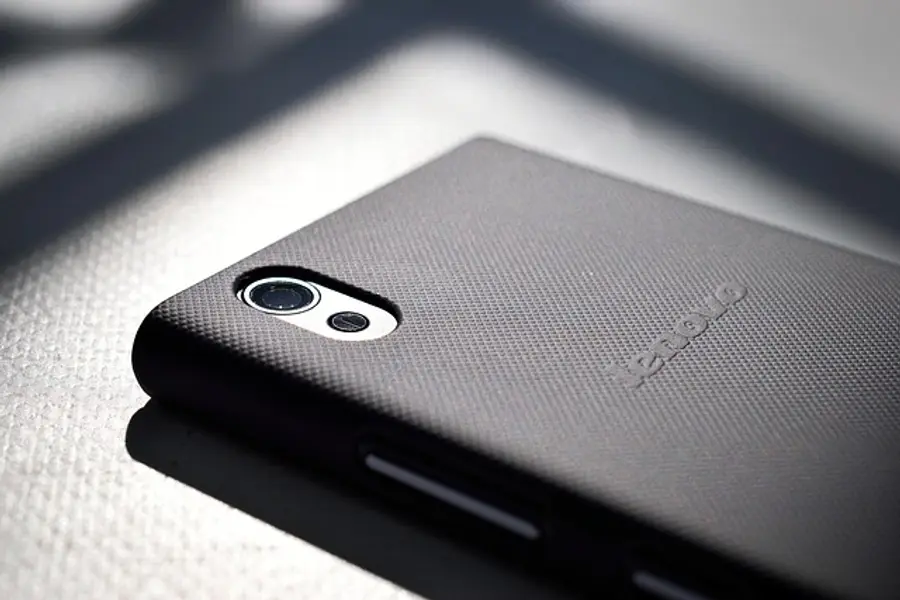
The sudden appearance of the Lenovo G02, a budget-friendly emulation handheld on AliExpress, sparked immediate debate. Priced at just $63, this device arrived pre-loaded with a library of Nintendo, Sony, and Sega ROMs, prompting Lenovo to initiate an internal investigation. This incident raises significant questions regarding intellectual property, supply chain oversight, and the murky waters of retro gaming emulation.
How Did Unauthorized ROMs End Up on a Lenovo Device?
Lenovo, a global leader in personal computing, explicitly stated that the pre-installed ROMs were added "without Lenovo’s knowledge or approval." This suggests a breakdown in their manufacturing or distribution chain, possibly involving a third-party vendor or an unauthorized action by a partner. Supply chain complexities often lead to such lapses, especially when dealing with high-volume, low-cost electronics.
What is the Legal Stance on Pre-Loaded Emulation Devices?
Legally, the distribution of copyrighted game ROMs without explicit permission from the rights holders is a clear violation of intellectual property laws. Companies like Nintendo, Sony, and Sega vigorously protect their titles, often pursuing legal action against distributors of unauthorized emulators or ROMs. This incident highlights the ongoing battle between game preservationists and copyright enforcement.
What is the Impact on Lenovo's Brand Reputation?
For Lenovo, a brand synonymous with quality and reliability in the PC market, this incident poses a considerable reputational risk. Associating with unauthorized game distribution, even unintentionally, can tarnish their image and potentially attract scrutiny from industry watchdogs. Maintaining brand integrity is paramount in competitive global markets, especially in the technology sector.
What is the Difference Between Emulation and Piracy?
Emulation, in itself, is a legitimate technological process allowing software designed for one system to run on another. However, piracy occurs when copyrighted game ROMs are distributed or played without owning the original game. The Lenovo G02 controversy blurs this line, as a major brand inadvertently became a conduit for widespread, unauthorized game distribution.
How Do Emulation Handhelds Navigate Copyright Challenges?
Many legitimate emulation handhelds operate by providing the hardware and software framework, but require users to source their own ROMs, often from legally dumped copies of games they own. This approach shifts the legal responsibility to the end-user. The G02's pre-loaded nature bypasses this distinction, placing the onus directly on the distributor.
The Role of AliExpress in Distributing Such Devices?
AliExpress, as a vast e-commerce platform, frequently hosts third-party sellers offering a wide range of electronics, including emulation devices. While the platform has policies against intellectual property infringement, enforcement can be challenging given the sheer volume of listings. This case underscores the ongoing struggle for platforms to police content effectively.
What are the Technical Implications for Retro Gaming?
From a technical standpoint, the G02, despite its low price, represents the continuous miniaturization and cost reduction of emulation hardware. However, the performance of such budget devices often involves compromises in areas like input lag, refresh rate, and pixel perfect rendering. Dedicated retro enthusiasts often prioritize FPGA-based solutions for authentic hardware emulation over software-driven approaches.
"The balance between accessibility and intellectual property rights in retro gaming remains a contentious and complex issue, challenging both developers and consumers alike." — Retro Gaming Preservation Society Report, 2023.
Industry Responses to Unauthorized Retro Gaming Devices?
The gaming industry, particularly major publishers, typically responds swiftly to unauthorized distribution of their copyrighted material. This can range from cease-and-desist letters to direct legal action against manufacturers, distributors, and even retailers. The incident serves as a stark reminder of the legal risks involved in handling copyrighted material.
Find It on Amazon
For those interested in legitimate retro gaming experiences, consider exploring options like the Anbernic RG35XX on Amazon for a well-regarded emulation handheld, or a 8BitDo Pro 2 Bluetooth Controller on Amazon for versatile retro-style gaming on multiple platforms.
FAQ: Lenovo G02 and Emulation
Q: Is it legal to buy the Lenovo G02 handheld with pre-loaded games?
A: While purchasing the device itself isn't illegal, the pre-loaded games are likely unauthorized copies, making their distribution and possession without owning the originals legally problematic.
Q: What is Lenovo's official stance on the G02 incident?
A: Lenovo has stated that the ROMs were added "without Lenovo’s knowledge or approval" and they are investigating the matter internally to understand how this occurred within their supply chain.
Q: Does this incident affect Lenovo's other products or warranties?
A: It's unlikely to directly affect warranties on their core products like laptops or desktops. However, it may lead to stricter vetting of third-party manufacturers and partners for future ventures.
Q: What are the risks of using devices with unauthorized ROMs?
A: Beyond legal risks, such devices often lack official support, may have security vulnerabilities, or offer substandard emulation performance compared to legally sourced or officially supported alternatives. Data and analyses updated for 2024.
Q: How can I legally play retro games?
A: Legal methods include buying official re-releases on modern consoles, using emulators with legally acquired ROMs (from games you own), or playing on official mini-consoles from companies like Nintendo and Sega.
Fonte original: Time Extension