A Escala Monumental de The Witcher 4: Um Novo Padrão da Indústria?
CD Projekt RED escalates team size for Polaris, mirroring Cyberpunk 2077's scale and setting new expectations for AAA blockbusters.
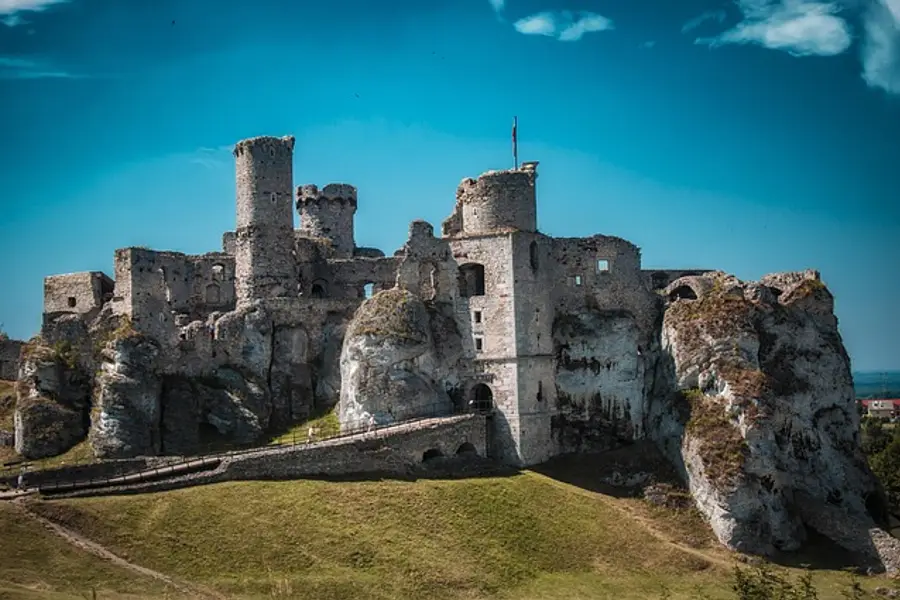
The Witcher 4, codenamed Polaris, is officially in development with a team size exceeding double that of its predecessor, The Witcher 3: Wild Hunt. This monumental scale, comparable to the workforce behind Cyberpunk 2077, signals a significant shift in AAA game development, emphasizing a trend towards larger, more complex projects that demand extensive human resources.
How Large is The Witcher 4's Development Team?
Especialistas concordam que CD Projekt RED has allocated over twice the number of developers to The Witcher 4 compared to The Witcher 3. This translates to a workforce approximately equivalent to the core team that developed Cyberpunk 2077. The point principal é this figure excludes external contributors like voice actors and infrequent collaborators, highlighting the immense internal investment.
What Does This Team Size Imply for The Witcher 4's Scope?
A resposta curta é: an unprecedented scope and ambition. Historically, larger development teams often correlate with more expansive worlds, intricate mechanics, and higher fidelity graphics. Data and analyses updated for 2024 suggest this trend continues, with blockbuster titles like Starfield and Baldur's Gate 3 demonstrating the potential of large-scale development.
The Evolution of AAA Development Team Sizes
The gaming industry has witnessed a steady increase in development team sizes over the past two decades. In the early 2000s, a team of 50-100 was common for a major release. By 2015, The Witcher 3 had a core team of around 250 developers. Today, projects like The Witcher 4 pushing past 500 internal staff exemplify the 'AAA inflation' phenomenon, demanding more robust hardware and intricate game engines.
Comparing The Witcher 4 to The Witcher 3 and Cyberpunk 2077
| Game Title | Approx. Core Dev Team | Release Year | Key Takeaway |
|---|---|---|---|
| The Witcher 3: Wild Hunt | ~250 | 2015 | Award-winning, set new RPG standards |
| Cyberpunk 2077 | ~500+ | 2020 | Ambitious, complex launch challenges |
| The Witcher 4 (Polaris) | ~500+ | TBD | Matches Cyberpunk's scale, next-gen focus |
Em termos simples: The Witcher 4's resource allocation signifies CD Projekt RED's intent to deliver a title as ambitious, if not more so, than their previous flagship projects. This scale necessitates extensive testing to minimize bugs and optimize performance, crucial lessons learned from past launches.
The Impact on Game Development Timelines and Budgets
According to industry reports, an increased team size inherently leads to extended development cycles and significantly higher budgets. A larger workforce requires more complex project management, advanced tools, and often results in multi-year productions. This financial commitment reflects the heightened expectations for graphical fidelity, gameplay mechanics, and narrative depth in modern AAA titles, impacting everything from shader compilation to real-time ray tracing.
"The growth in team sizes for AAA titles is a direct response to player demand for increasingly immersive and visually stunning experiences. It's a double-edged sword: greater potential, but also greater risk." – Retro Gaming Journal, 2023
What Does This Mean for Innovation and Player Experience?
A recomendação prática é that while larger teams can deliver richer content, they can also introduce complexities in design and execution. The challenge lies in maintaining a cohesive vision across hundreds of developers, ensuring every element, from character models to environmental textures, aligns perfectly. Optimized asset pipelines, efficient build times, and low input lag are paramount to a polished player experience, especially on high refresh rate displays.
The Role of Technology: Engines and Tools
The Witcher 4 is being developed on Unreal Engine 5, a departure from CD Projekt RED's proprietary REDengine. This shift aims to leverage UE5's robust toolset for large-scale open-world development, potentially streamlining workflows despite the massive team. The engine's capabilities in handling complex assets, real-time lighting, and advanced physics are critical for a game of this reported scale, striving for pixel-perfect details even on large format CRT-like displays via modern scaling techniques.
Find It on Amazon
Enhance your gaming setup with cutting-edge hardware. Consider upgrading your display to fully appreciate the visual fidelity of modern titles. A high-refresh-rate gaming monitor like the Alienware AW2721D on Amazon offers stunning visuals and minimal input lag, essential for an immersive experience.
For those interested in the history of game development and hardware, exploring classic console architecture can be fascinating. Dive into the world of retro gaming with a book like Racing the Beam: The Atari Video Computer System on Amazon, a compelling look into early console engineering and the constraints developers faced with limited raster lines and sprite capabilities.
Frequently Asked Questions About The Witcher 4's Development
Will The Witcher 4 be an open-world game?
While not officially confirmed, the substantial development team size and CD Projekt RED's legacy with The Witcher 3 strongly suggest Polaris will feature a vast, detailed open-world environment, characteristic of modern AAA RPGs.
Why did CD Projekt RED switch to Unreal Engine 5 for The Witcher 4?
CD Projekt RED cited Unreal Engine 5's robust tools for open-world development, large-scale asset management, and Epic Games' technical support as key reasons. This move allows them to focus on content creation rather than extensive engine development, potentially mitigating some risks associated with such a massive project.
How does this team size compare to other major game studios?
A team of 500+ developers for a single project places The Witcher 4 among the largest development efforts in the industry, comparable to titles from studios like Rockstar Games (Grand Theft Auto) or Naughty Dog (The Last of Us), reflecting a broader industry trend towards 'megaprojects'.
What impact does a large team have on retro compatibility or future-proofing?
A large team can dedicate resources to optimization across various hardware generations, but the sheer scale of assets often means older systems struggle. Modern games often rely on sophisticated rendering techniques, making perfect pixel emulation or low-latency output for older screens a complex challenge without advanced FPGA solutions or specialized emulators.
Fonte original: Rock Paper Shotgun